
Coming Back to Creativity
Right now, I’m sitting on my couch, listening to the gentle hum of the AC on a hot, sunny Sunday afternoon. The scent of lavender drifts from my freshly washed couch covers. Thank you, Ikea, for making them removable. Creating a calm, soothing environment has become one of my favourite little rituals.
Sometimes, you have to step away from the things you love and appreciate them from a distance. I love writing for this blog, sharing on social media, and getting creative with Canva. It allows me to be a different version of myself, a freer version, a sillier version untethered by all the rules and boxes I already find myself in. Recently, though, I had to pause and step back because life’s responsibilities sometimes get in the way. There’s work, bills, family, and all the demands of adulthood. Even though I hate to admit it, sometimes writing falls to the bottom of the priority list. But I’m grateful to be back here now.
Rushing through life
One reason I stepped away this summer was to give myself time to enjoy the season and build a new routine after surgery that supports my health. But stepping back made me realize something big about myself: I rush through things. I rush through almost everything.
I always have my eyes fixed on the finish line. The end. It certainly doesn’t help my anxiety or stress, and I’m also working on bringing my CRP levels down. CRP is a marker of inflammation in the blood, and my levels have been higher than I would like. I realized I’m constantly watching the clock: during my morning workout, in meetings, while cooking, reading, even doing laundry. I’m hyper-aware of how long everything takes, always focused on getting to the end. The other day I couldn’t stand not knowing what happens in a movie, so I googled spoilers…what? As a movie lover, I never do this, but I didn’t have the patience to wait 30 more minutes. Again, looking for the end.
I’ve been learning violin for the past few months, and my teacher quickly noticed this tendency. I rush through pieces, through bowing, through staccato, through learning itself. She told me: the whole purpose of music is to feel, to feel everything, to slow down, to connect with your emotions. To enjoy the process.
That’s stuck with me. If I keep living this way, I risk rushing all the way to the end and never truly experiencing anything. Sometimes I joke that my tombstone will read: “Here lies Nyevu. She rushed through everything, learned nothing, and now… it’s over.” The tragedy.
How I’m Slowing Down
So, for the rest of the summer, my goal is to truly slow down. Here’s how I’m working on it:
- I avoid checking the clock during group classes. Instead, I focus on my reps, my breath, and simply doing better than the last time.
- I put my phone down whenever I can, making an effort to be less tethered to it. I shut down my laptop at the end of each day and try not to look at it again, and the pain in my neck and shoulders has improved immensely.
- I savour what I eat, chewing slowly and enjoying every bite. Today, I had the most delicious kiwi; yesterday, it was mango. Tomorrow I’m looking forward to gelato.
- I turn off the TV and all distractions for the last hour of my day. I take my time with my evening shower, slowing down with every step: putting on lotion, brushing my teeth, going through my skincare routine. I do everything intentionally and in silence, preparing for the next day.
- I use the Bend app daily to stretch for at least five minutes; just random parts of my body. I’m extremely proud of my streak.
- I listen to rain sounds while journaling; it helps me feel calm and less distracted.
When I catch myself watching the clock, I remind myself that not everything needs to be done right this minute, and not everything needs my attention. There’s room to breathe and space for me to just be.
I have two more months left in this slowdown experiment before my next bloodwork, and I hope my CRP levels will be better.
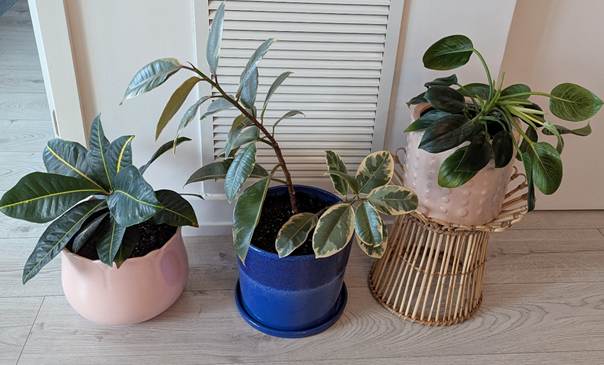
I leave you with my recently repotted plants; I don’t have a green thumb, and I’m so proud to have kept these babies alive for more than two years. Two years of slow, unremarkable tending.